
Just a few minutes from the Pont du Gard andUzès, overlooking the Gardon Gorges, the Château de Collias is one of the most beautiful castle rentals in the Gard and in the South of France. Nîmes is 30 minutes away, Avignon 45 minutes, and yet, as soon as you walk through the gate, the outside world fades away.
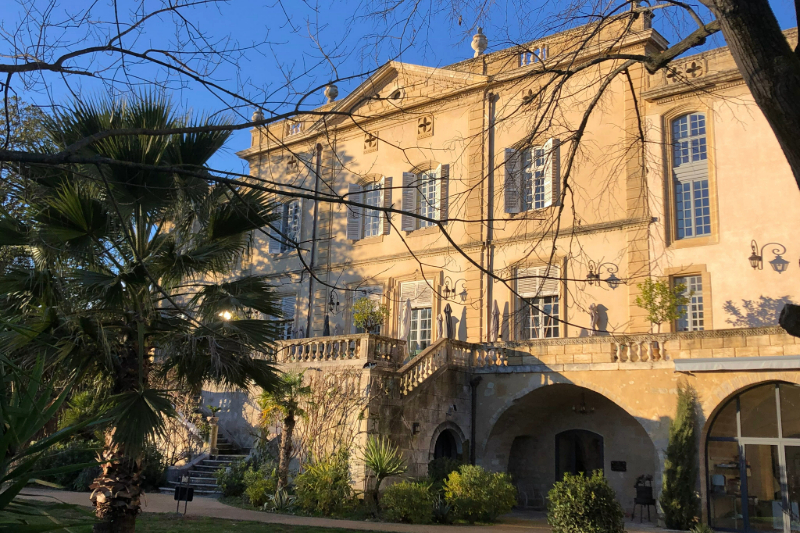
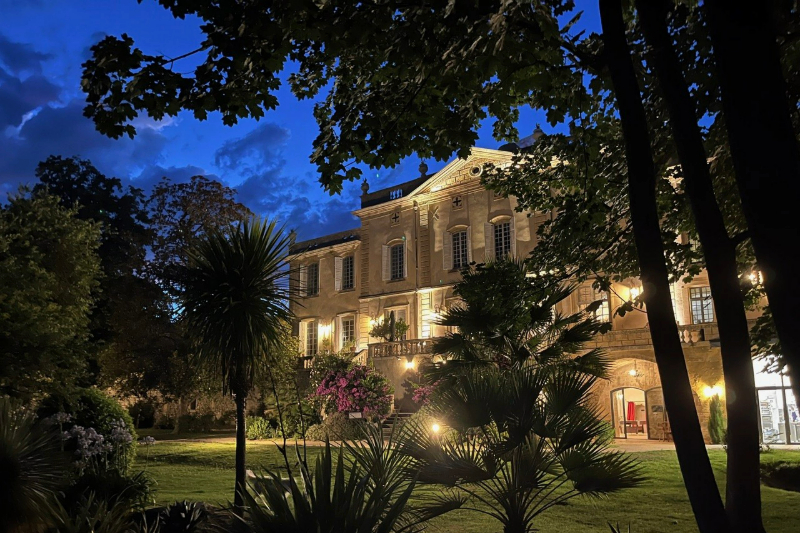
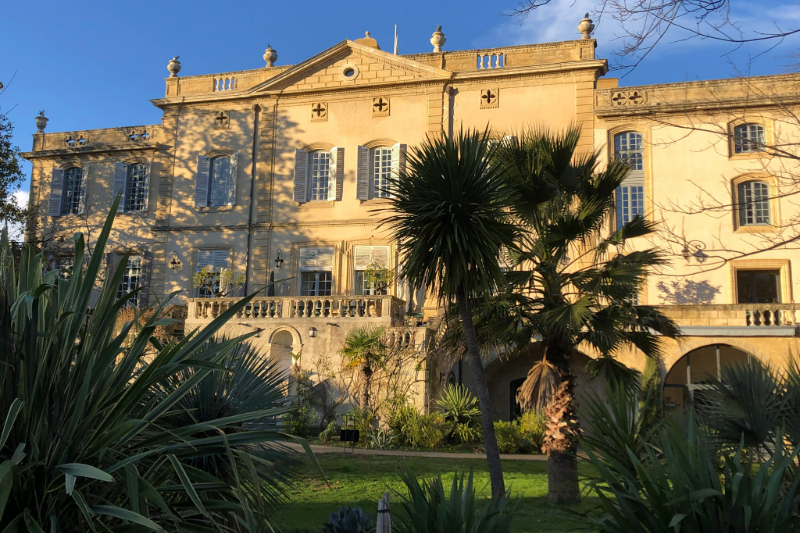
A beautiful, thousand-year-old residence that has been fully converted into a private estate, the château is nestled in the heart of a superb landscaped park overlooking the gorges, in an exceptional natural setting. Its nearly thousand-year history is reflected in its unique architecture, which blends 11th-century foundations, a medieval section, Renaissance influences, and an 18th-century façade—a rare piece of heritage that has been carefully restored since 2019.
The castle has 14 rooms, all with private bathrooms, and can accommodate up to 28 guests.
Its spacious event venues can accommodate up to 80 guests indoors and 200 guests outdoors for weddings, seminars, and private celebrations. It offers an exclusive experience that blends heritage, nature, and the Mediterranean lifestyle.
Since its complete restoration in 2019, the château has combined historic authenticity with modern comfort, offering a unique setting for private stays, exceptional weddings, seminars, and family celebrations.
Explore the estate
Located in the village of Collias, in the heart of the Gard region, the Château de Collias is one of the few castle rentals in the South of France offering a complete immersion in a setting steeped in nearly a thousand years of history. Perched on a rocky promontory overlooking the Gardon Gorges, the estate boasts an exceptional natural setting: limestone cliffs, garrigue scented with thyme and rosemary, and olive and holm oak trees bathed in Mediterranean sunlight.
The estate is exclusively reserved for each guest stay. Designed as a place for living and gathering, it is ideal for hosting weddings, seminars, family reunions, or private celebrations.
Acquired in 2019 by Christophe Tailleur and Philippe Huber, the château underwent a comprehensive and ambitious restoration: roof repairs, restoration of the historic facades, renovation of the reception rooms and 14 guest rooms, landscaping of the grounds, and the planting of nearly 2,000 trees. After a period as a five-star hotel and a Michelin-starred gourmet restaurant, the château now focuses on private stays and events, offering its guests the rare experience of staying in an exceptional setting.
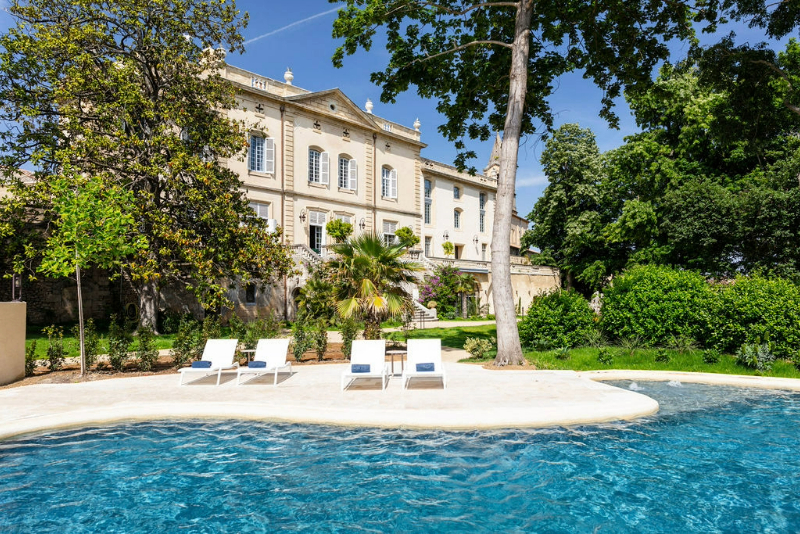
The Pool
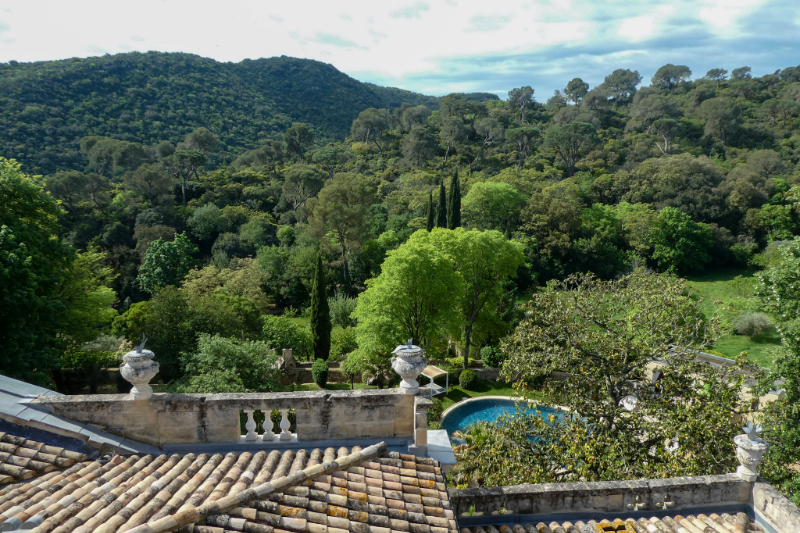
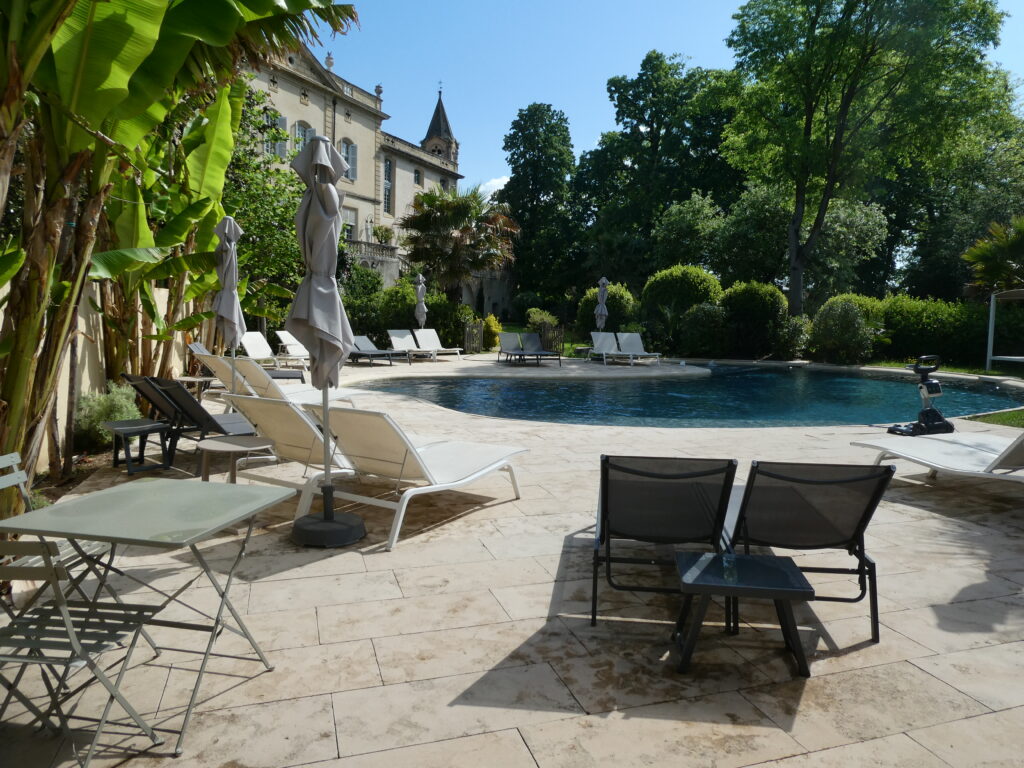
Nestled in the park, the pool invites you to relax in an intimate setting, surrounded by stone, greenery, and the open sky. The pool house offers a comfortable space to unwind in the shade or extend those moments of togetherness. A natural refuge from the summer heat of the Gard.
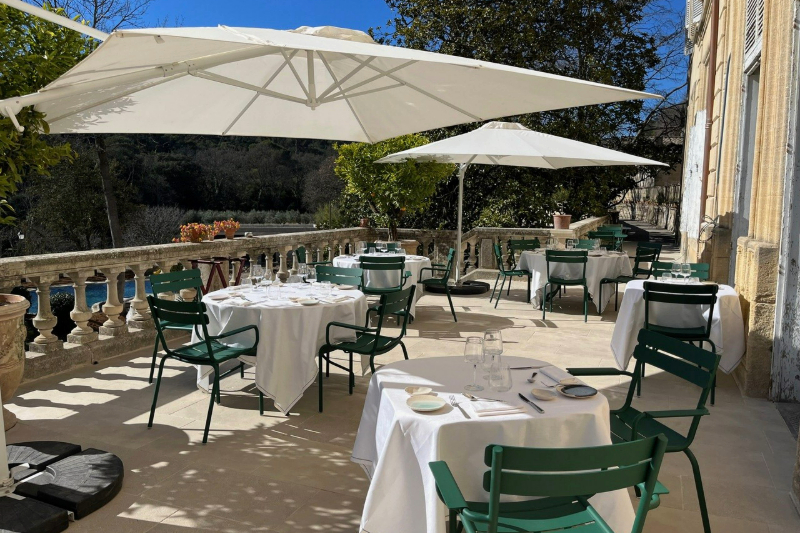
The Terrace
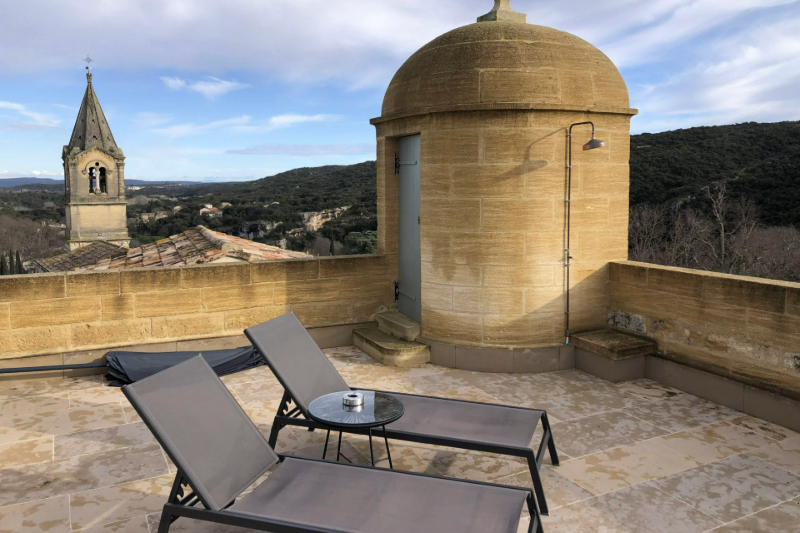
Built on the site of the castle’s former fortifications, the large terrace offers a spectacular, commanding view of the Gardon Gorges and the landscaped park. It is the perfect setting for cocktail parties, outdoor ceremonies, and dinners under the Languedoc stars. The site’s natural acoustics, nestled between stone walls and the open sky, make it a memorable setting for any event. For large receptions and weddings, the outdoor spaces—including the terrace and park—can accommodate up to 200 guests.
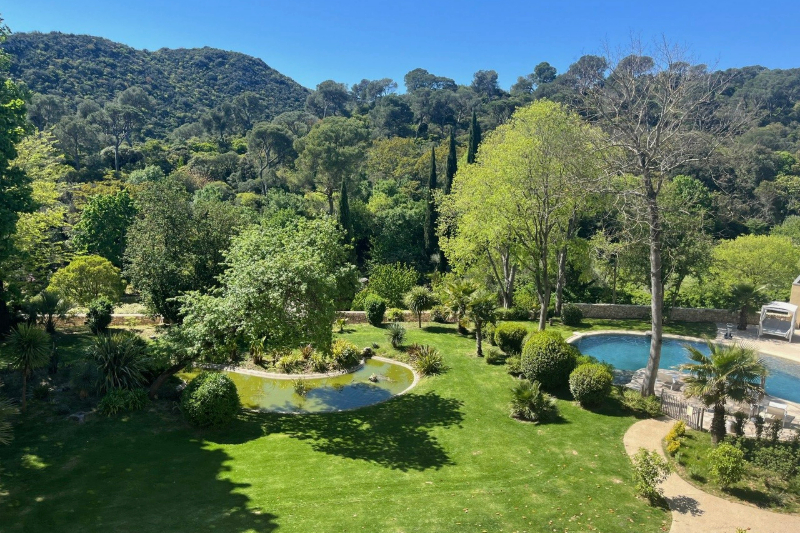
The Landscaped Park
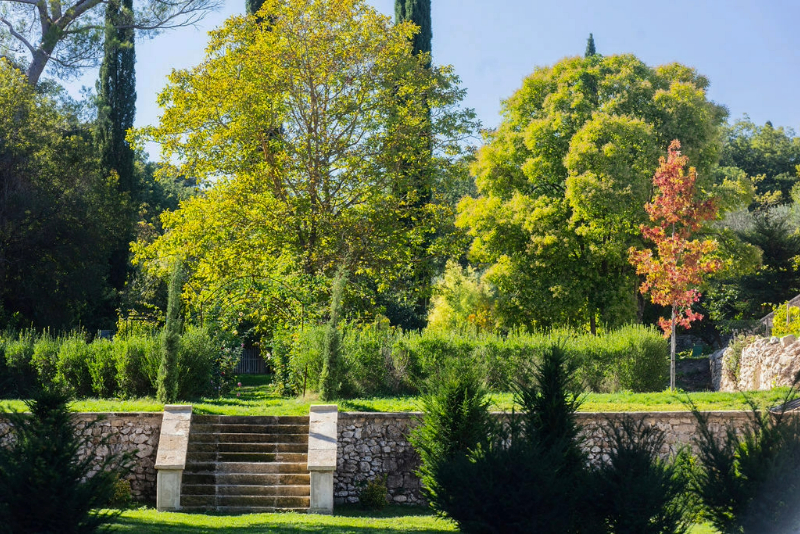
Designed in the 18th century by landscape architect François-Joseph Bélanger— architect of the Château de Bagatelle and a favorite of the Count of Artois—and later reinterpreted in the 19th century in the style of the English Romantic garden by landscape architect Cordioux, the park has now been fully restored. Ornamental ponds, winding walking paths, open views of the Gardon Valley, and Mediterranean plantings create a setting of rare beauty, to which nearly 2,000 trees were added in 2021.
Lounges and Reception Rooms
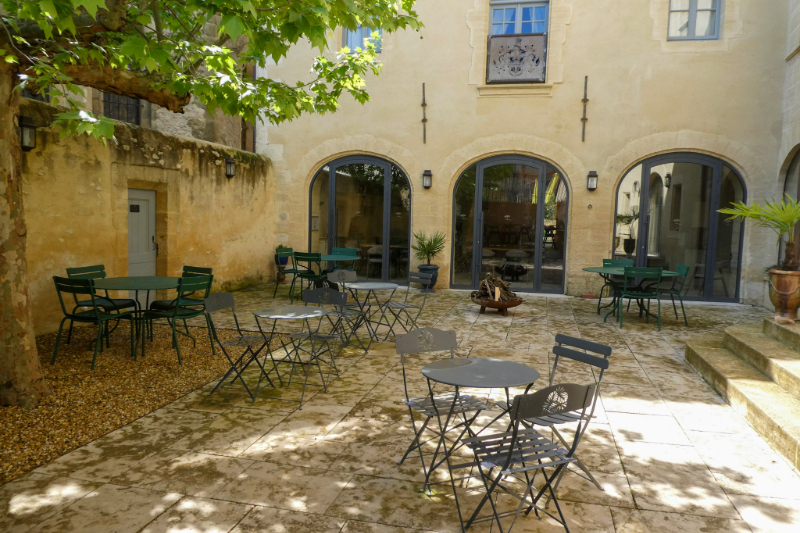
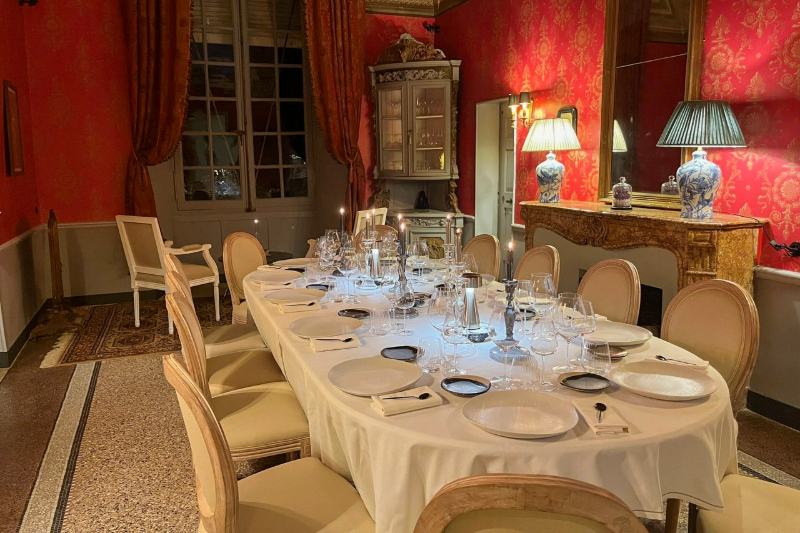
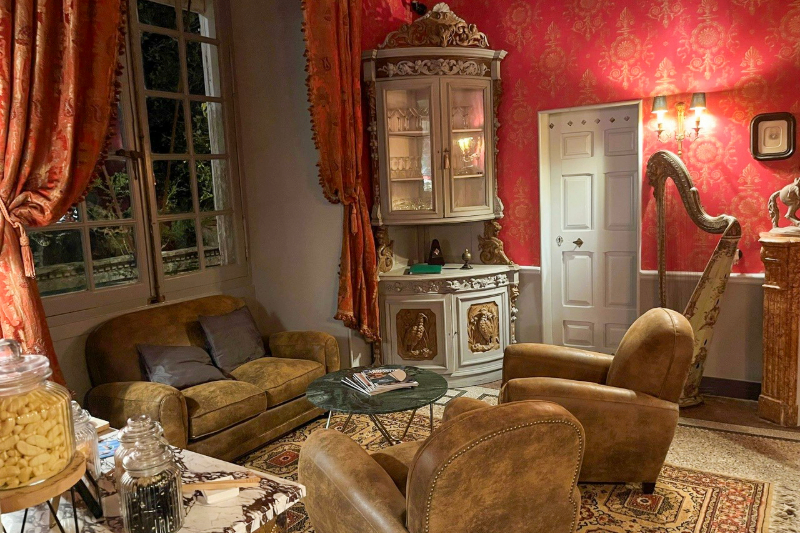
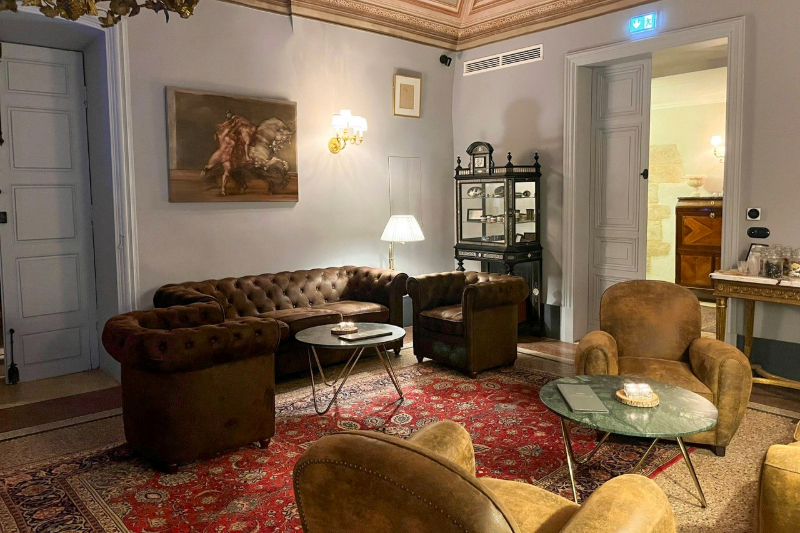
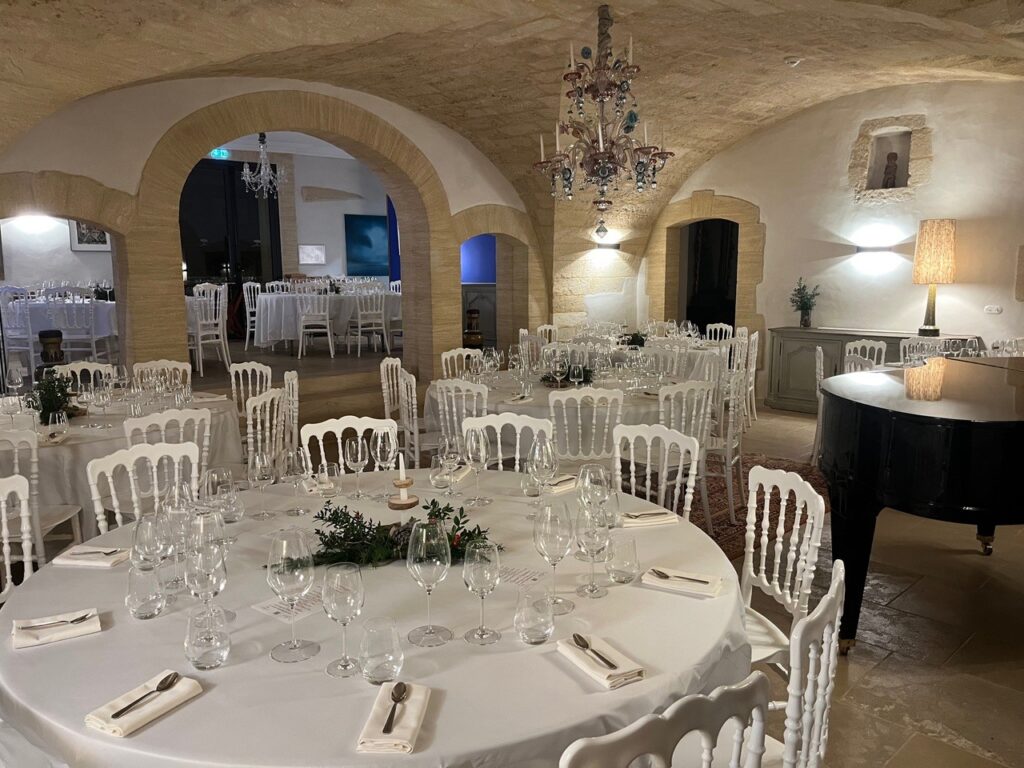
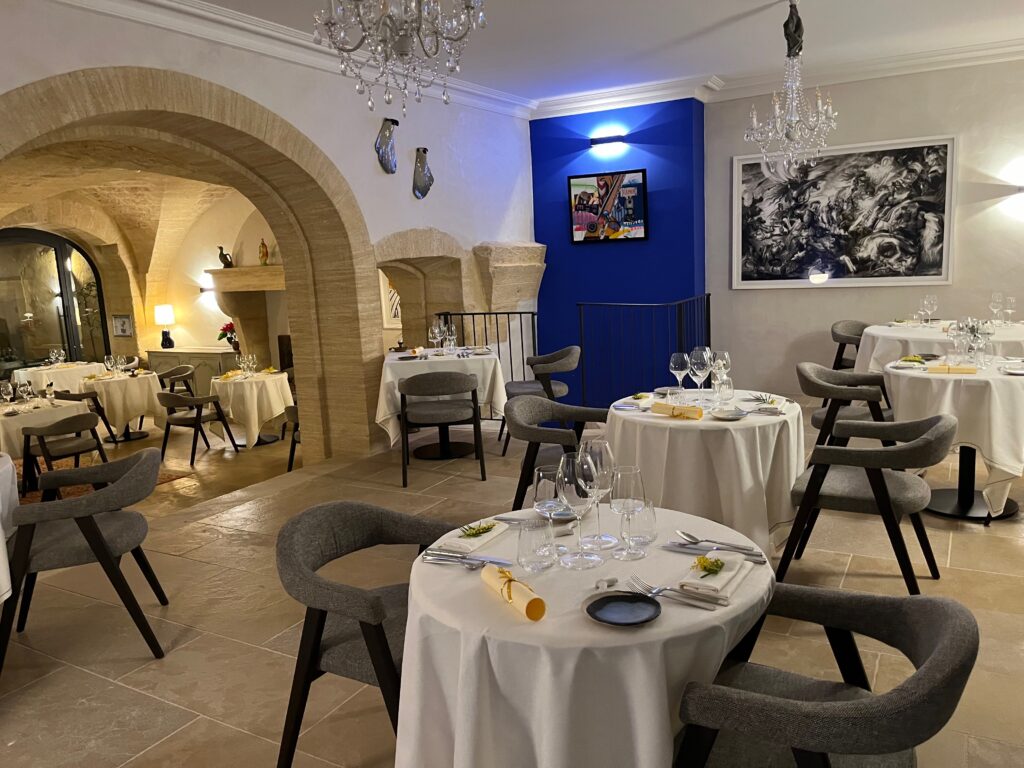
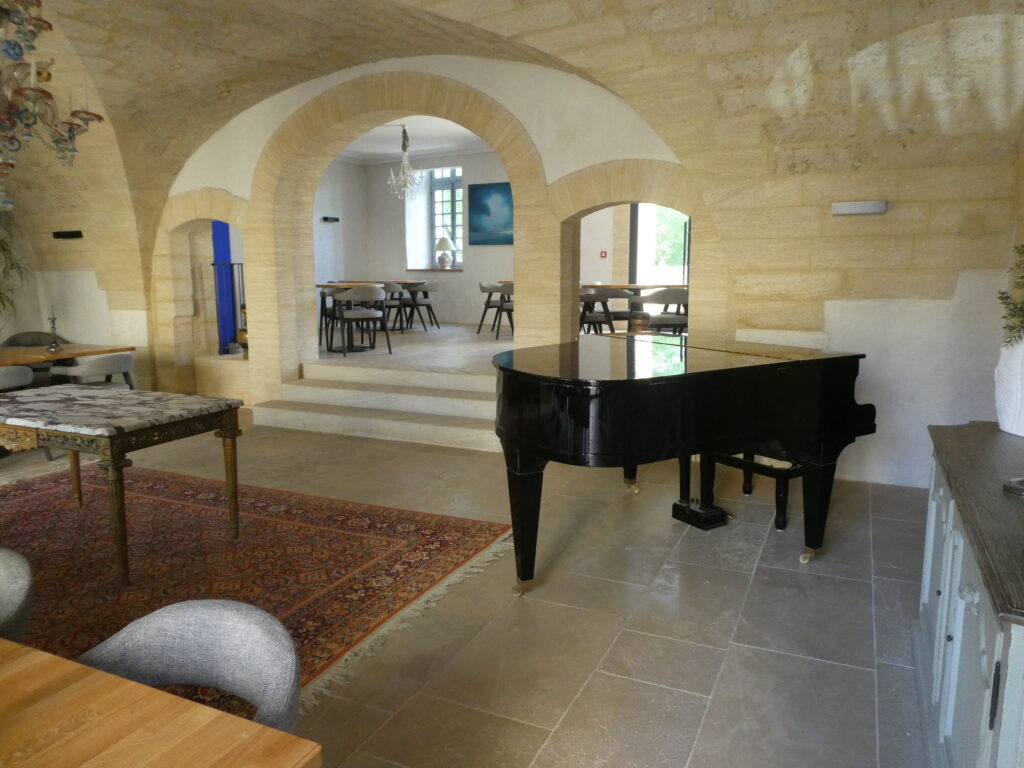
Collias Castle features expansive living and reception areas spread across several levels, designed to accommodate both large celebrations and more intimate gatherings. Its spacious interiors can accommodate up to 80 people for meals, in a setting that combines ornate ceilings painted by Italian artists in the 19th century, terrazzo floors, fireplaces, and period furniture.
The Reception Hall
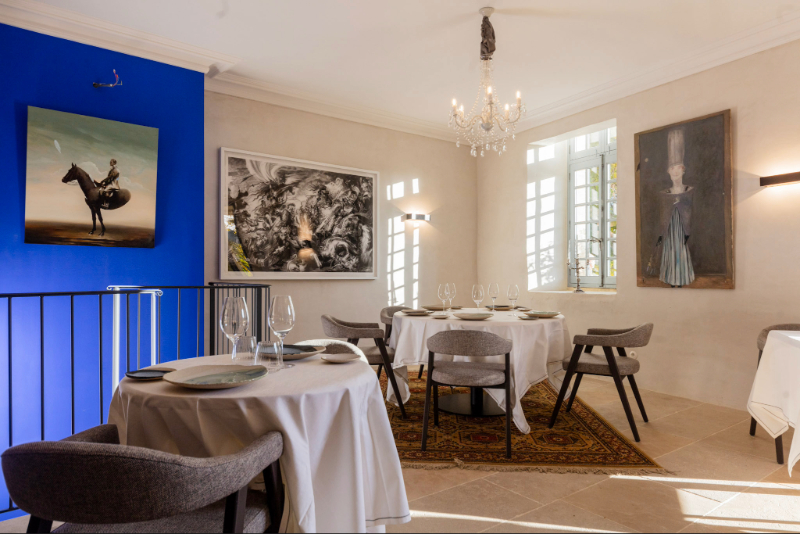
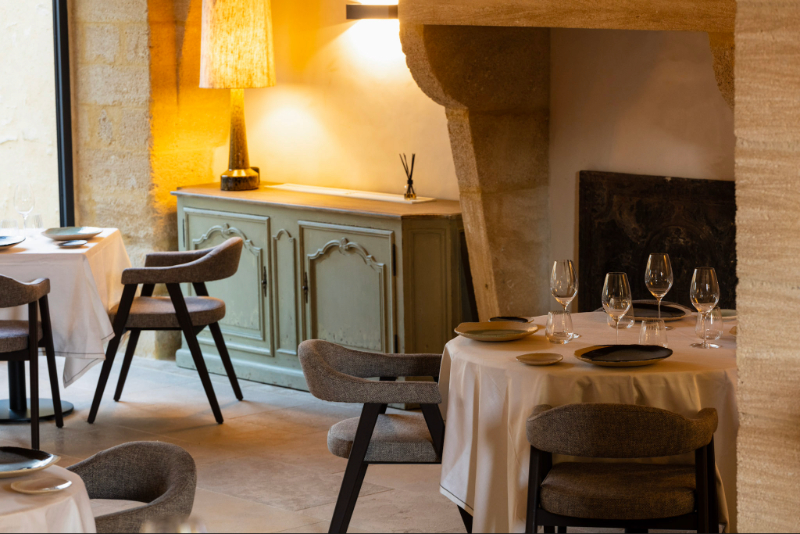
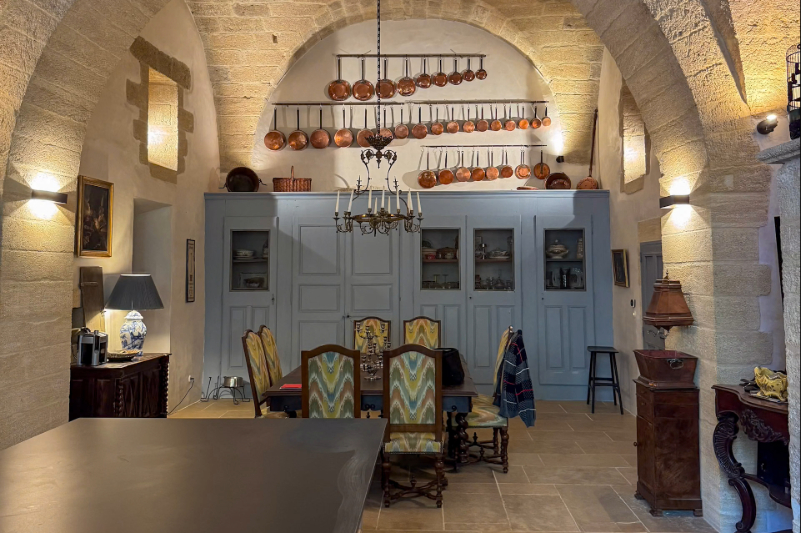
Once a gourmet restaurant during the days when the Château de Collias stood out among the region’s five-star hotels, this dining room still retains all of its grandeur. With room for up to 80 guests, its spacious layout, natural light, and elegance make it an exceptional setting for your gala dinners, banquets, and ceremonies—where every meal becomes an experience worthy of the venue’s storied history.
Major Trade Shows
The castle’s reception rooms offer versatile spaces for your receptions, cocktail parties, or indoor ceremonies. Dating back to the renovations carried out under Joliclerc in the early 19th century, they retain a unique atmosphere where history is evident in every detail: wood paneling, painted ceilings, and the collections in the historic library.
The Billiards Room
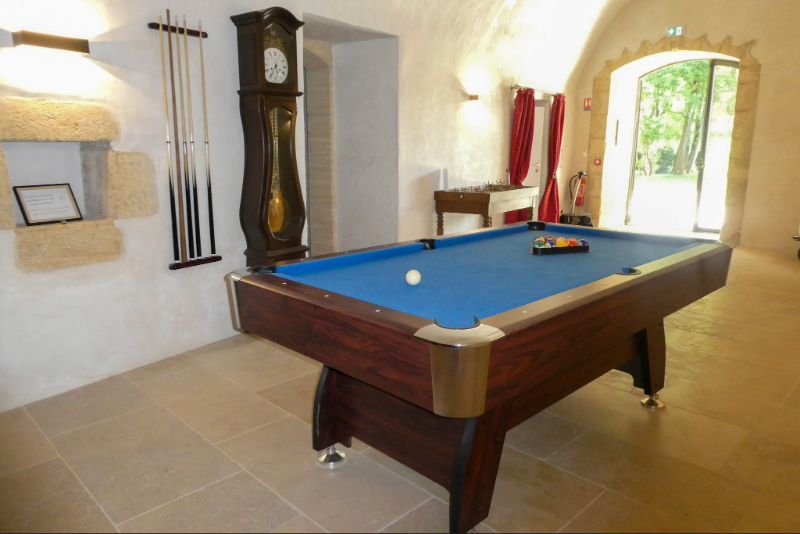
A true invitation to relax and have fun, the castle’s billiards room adds an extra touch of warmth and conviviality to the estate. It offers the perfect setting for lively moments among guests, far from the hustle and bustle of large receptions.
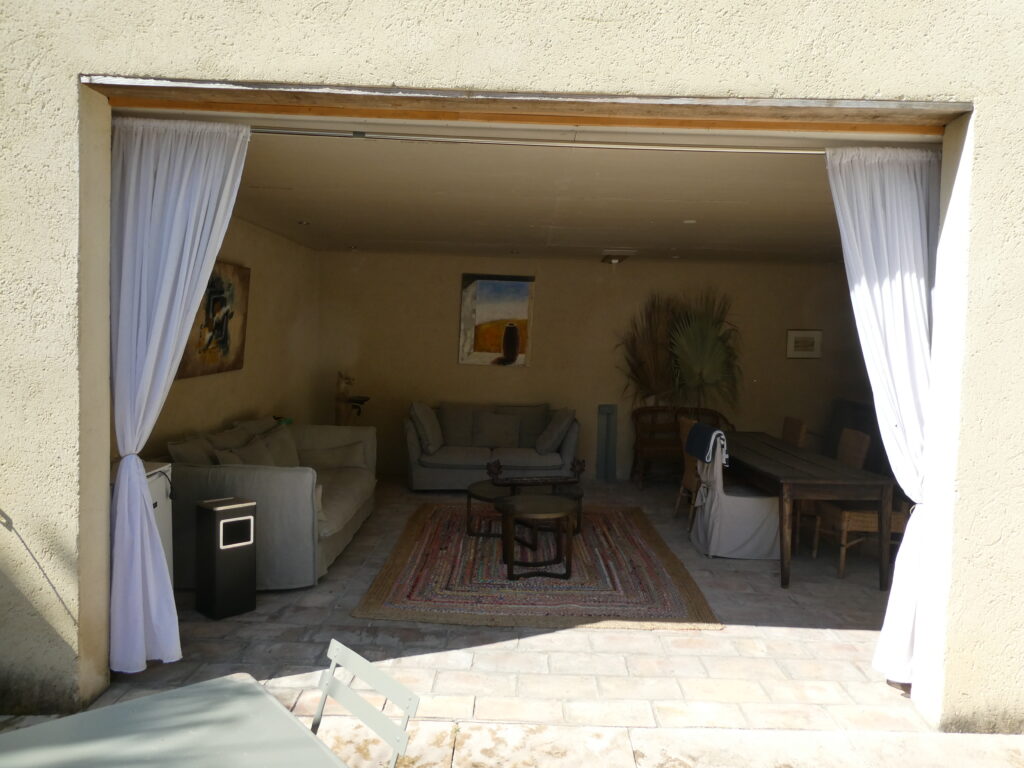
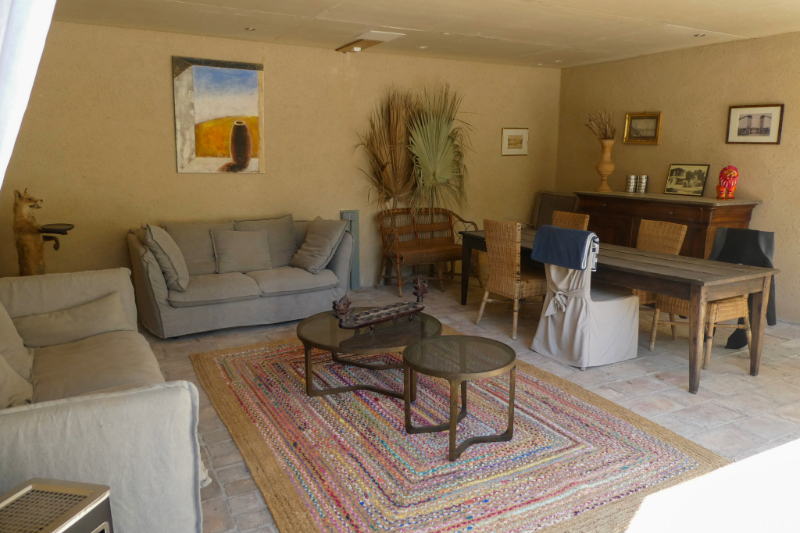
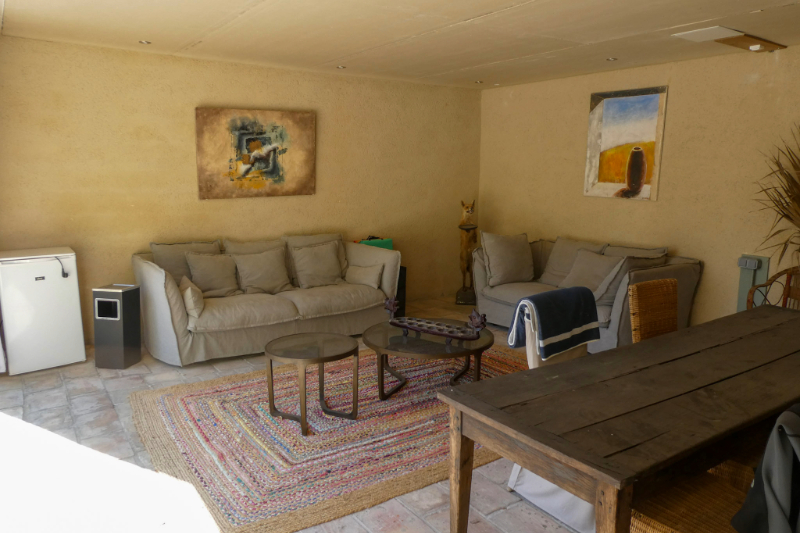
The pool house
Located by the pool, the pool house offers an elegant and comfortable space to relax in the shade or enjoy more time with friends and family after a swim. It’s a place to savor the good life, where privacy meets the fresh air of the park.
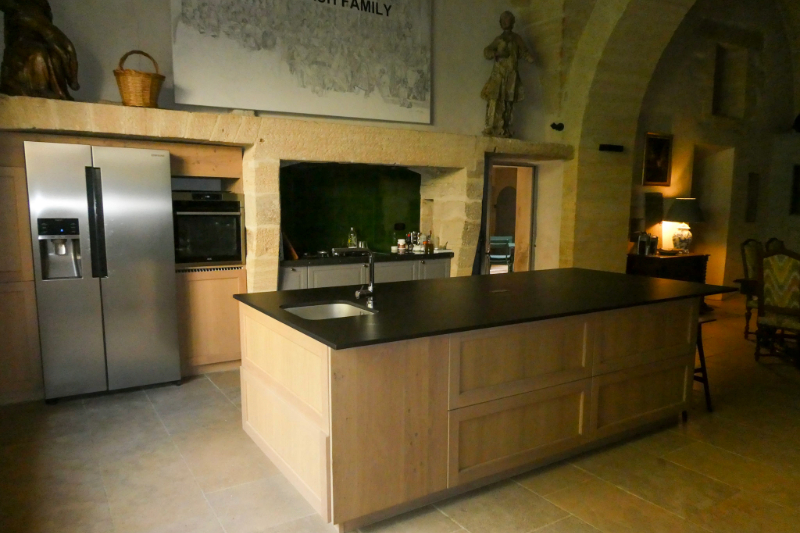
The Kitchen
Equipped to meet the demands of both major events and family vacations, the château’s kitchen combines functionality with character. Spacious and bright, it allows your caterers or guests to prepare meals and host receptions under ideal conditions, while preserving the authentic spirit of a manor house kitchen.
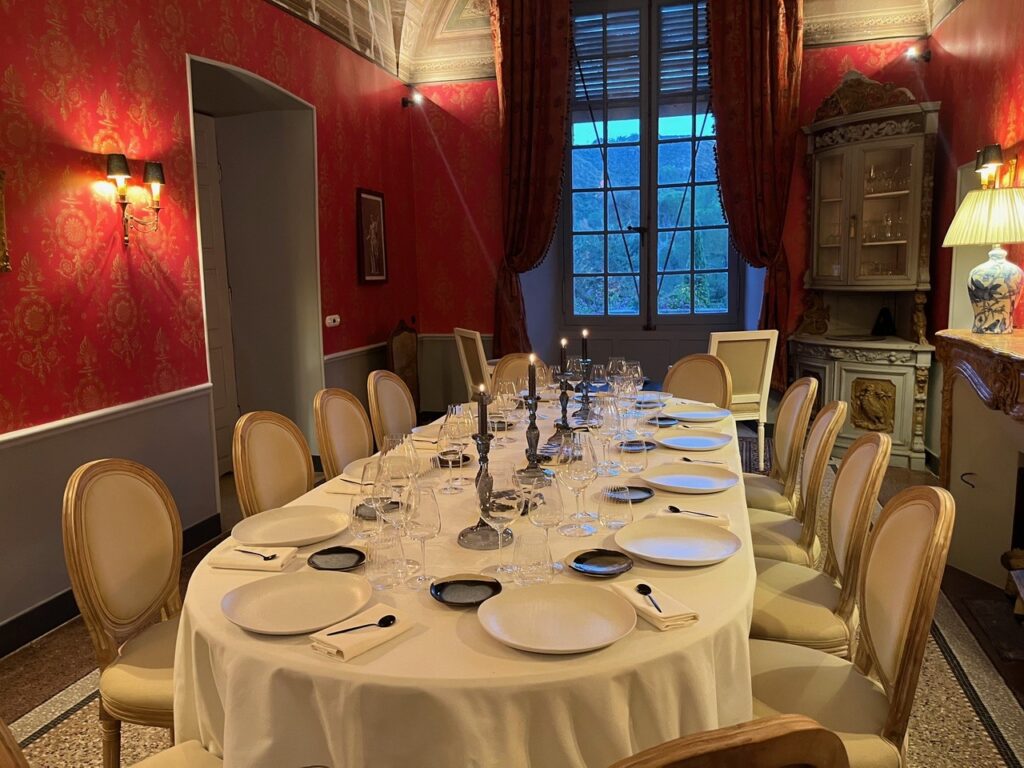
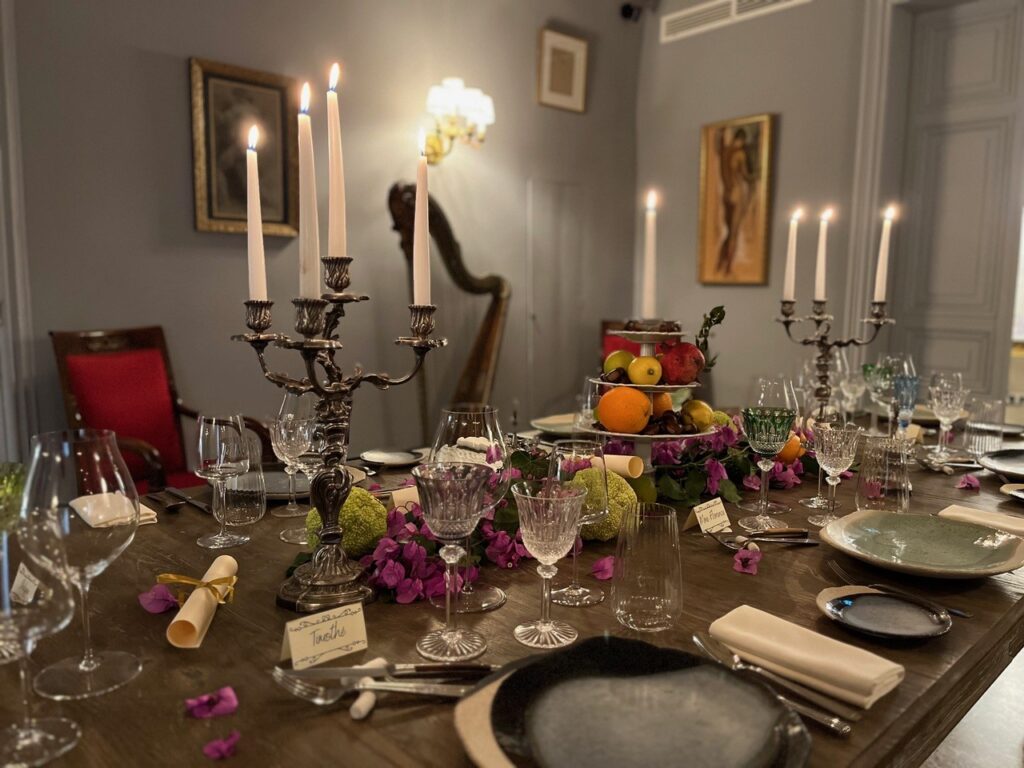
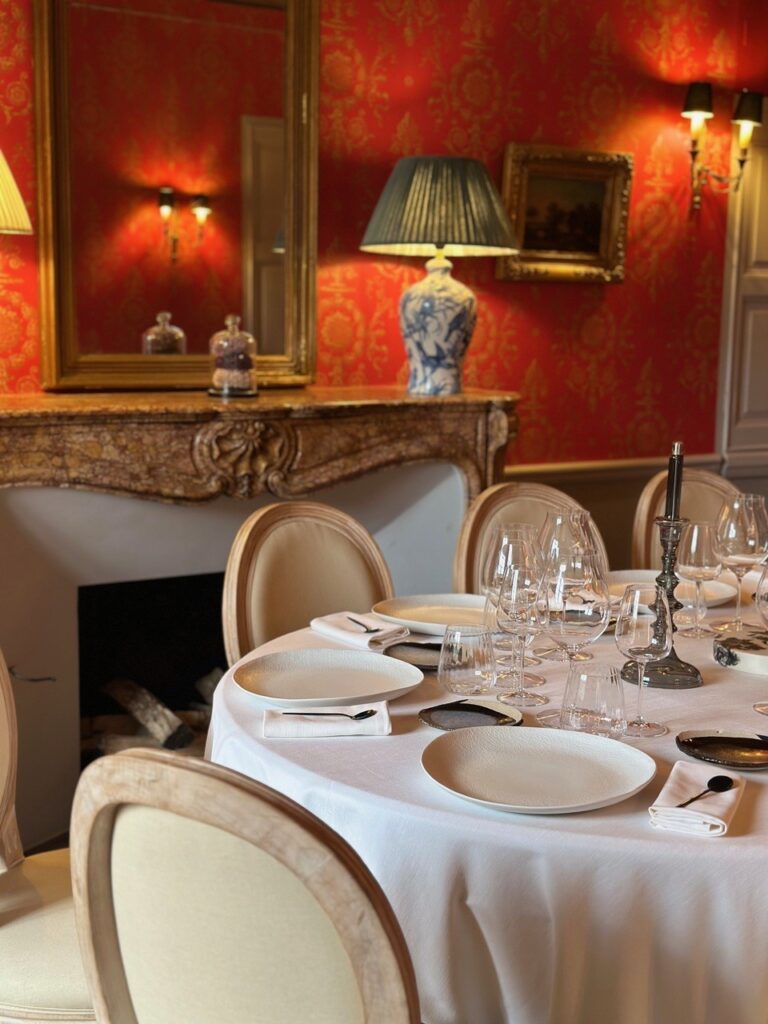
The dining room
The Rooms
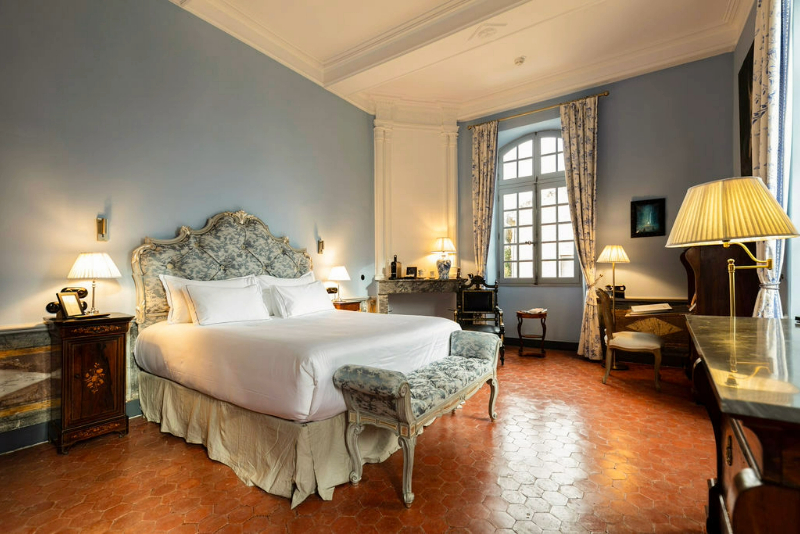
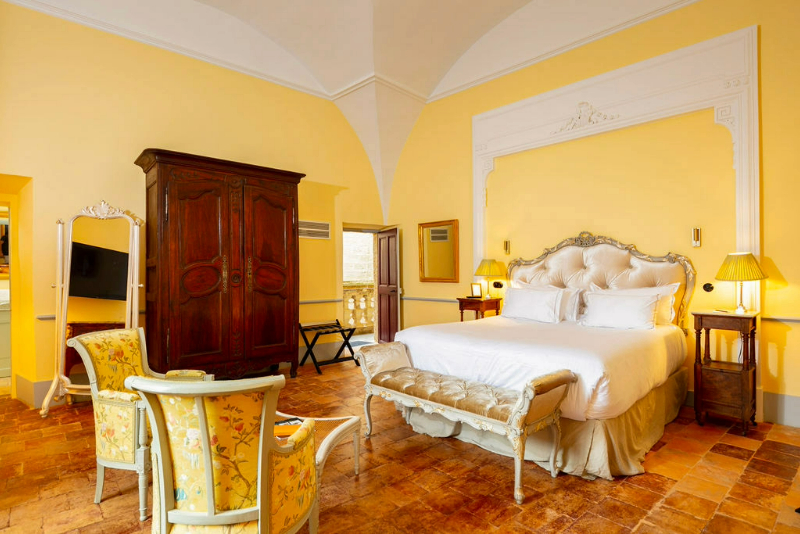
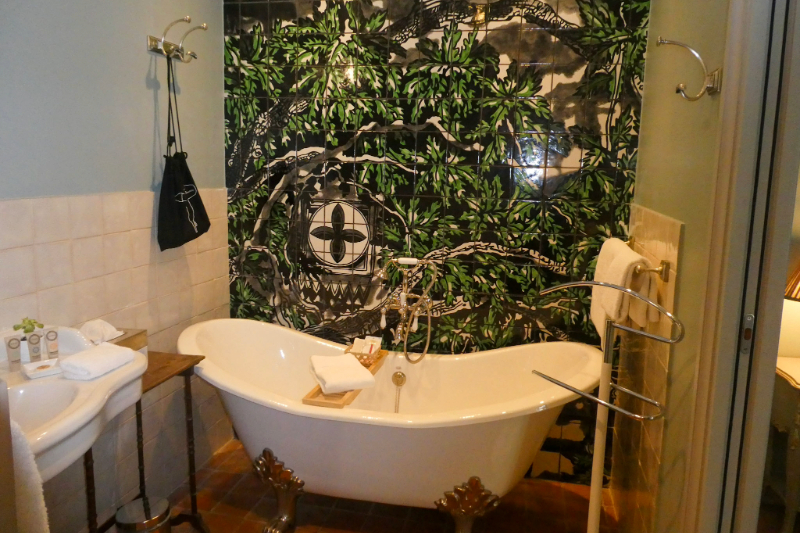
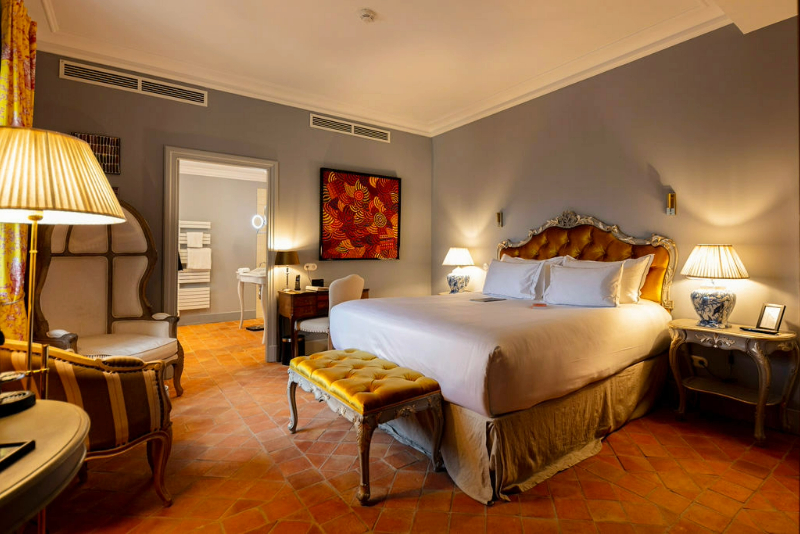
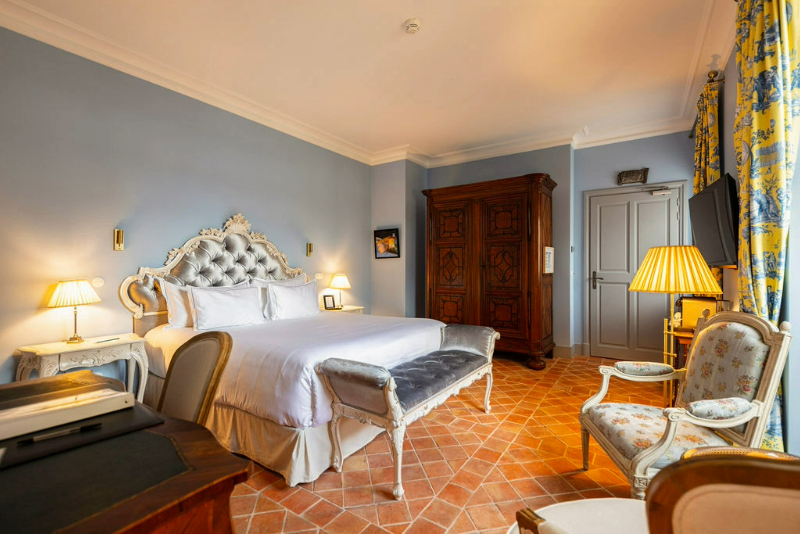
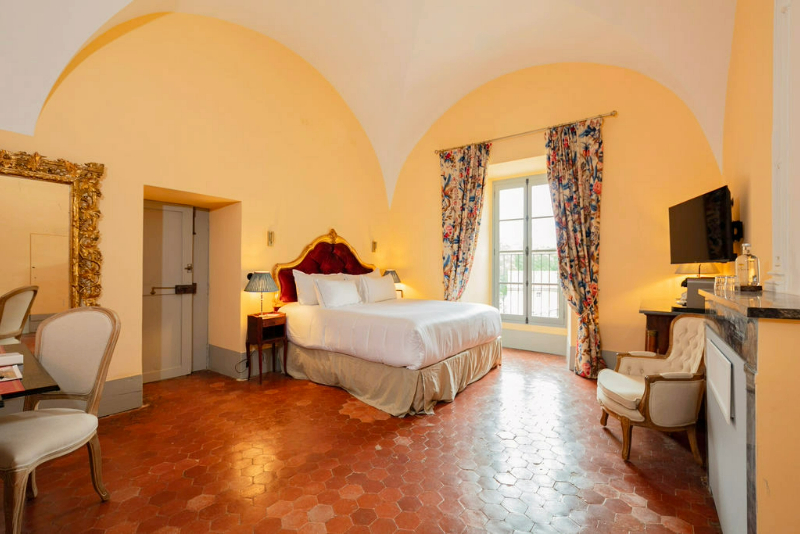
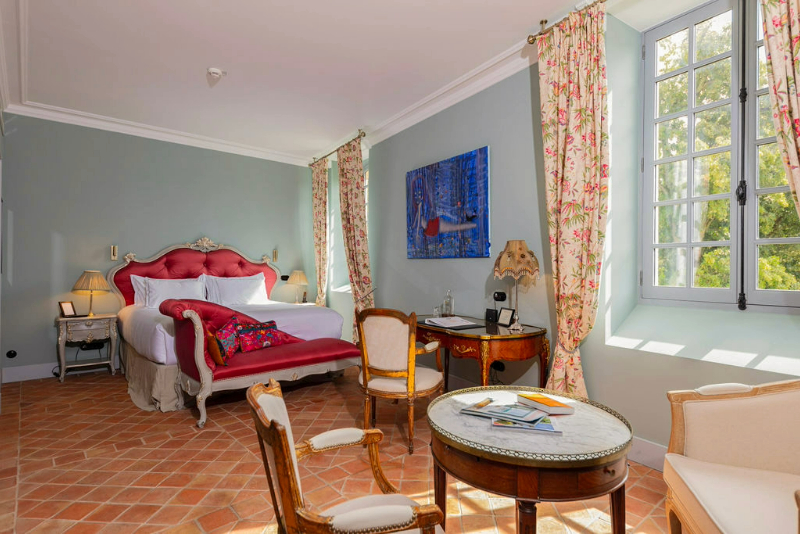
Château de Collias offers 14 rooms, each with its own private bathroom, with a total capacity of 28 guests. Each room is furnished with a 180-cm king-size bed and offers a level of comfort befitting a luxury hotel, thanks to the comprehensive renovation carried out since 2019.
Each room tells a part of the castle’s history. The Tower Room, located in the 11th-century medieval tower across several levels connected by an interior staircase, opens onto a panoramic terrace offering a spectacular view of the Gardon Gorge—one of the most breathtaking experiences the estate has to offer. The other rooms, spread throughout the main body of the castle and its wings, open onto the grounds, the terrace, or the surrounding hills covered in garrigue.
Availability
Check with us to see what's available, and let's discuss your project together.
Request these datesOur Rates
The History of the Castle
11th centuryThe Château de Collias is one of the few estates in France whose history spans nearly a thousand years, from the 11th century to its contemporary revival in 2019. Each era has left its mark on the stone—from the 11th-century medieval tower to the 18th-century classical façade, including the Renaissance spiral staircase and the ceilings painted by Italian artists in the early 19th century.
Ancient Origins
Long before the castle was built, the site was already inhabited. The Gardon Valley, near the Roman city of Nîmes and the Pont du Gard, had been inhabited since ancient times. In the 5th century, the Gallo-Roman writer Sidonius Apollinaris mentions a place named Colleivacum —which some historians believe is related to Collias. During recent work in the castle’s west wing, fragments of amphorae, shards of ancient pottery, and a Roman stone from a stele dedicated to the goddess Aphrodite were discovered, suggesting that the site has been occupied for more than two millennia.
The 11th-century medieval tower: In the 11th century, a tower was built on the rocky promontory overlooking the Gardon Valley to monitor the roads connecting Uzès, Nîmes, and the Rhône Valley. It remains the historic heart of the castle to this day and is one of its most exceptional rooms, with its panoramic terrace at the top.
The Wars of Religion and the Renaissance (1584–1614): The fortress was captured by Protestant troops and then recaptured by the Catholics, at the cost of the roofs being set ablaze. This transformation marked the transition from a military castle to an aristocratic residence: mullioned windows were installed, a monumental stone spiral staircase was built, and a portico bearing the date 1614 was erected, which can still be seen today.
King Louis XIII, accompanied by Cardinal Richelieu, stayed at the castle during his campaign against the Protestant strongholds in Languedoc. It was from Collias—which had remained loyal to the Catholic side—that he ordered the destruction of the walls of Uzès. That same year, the Peace of Alès was signed, bringing an end to the Wars of Religion in France.
The Fournier de La Chapelle family, who had amassed a fortune from sugar plantations in Saint-Domingue, transformed the château into a grand aristocratic mansion. The grand classical façade was built, the apartments were reorganized, and a vast landscaped park was entrusted to landscape architect François-Joseph Bélanger—the architect of Bagatelle and a favorite of the future King Charles X, who was one of the pioneers of the picturesque garden style in France. The French Revolution brought this brilliant era to an abrupt end: the Marquis de La Chapelle was guillotined.
Napoleon, Joliclerc, and the Cadoudal Affair In the early 19th century, Napoleon Bonaparte acquired the château and gave it as a gift to François-Xavier Désiré Joliclerc, in recognition of his services in dismantling Georges Cadoudal’s royalist plot (1804). Appointed prefect in Italy in 1806, Joliclerc returned to Collias in 1815 with Italian artisans who adorned the château with painted ceilings, terrazzo floors, and marble bathtubs with swan-neck faucets—features still visible today. As mayor of the village, he financed the construction of a bridge over the Gardon River out of his own fortune and requested to be buried in the village’s mass grave in 1836.
Numa Ausset's Romantic Garden Numa Ausset acquired the château and entrusted the design of the gardens to landscape architect J. Cordioux, a specialist in English-style gardens. An ornamental pond, a rock garden, an artificial stream, and winding paths lined with rare plant species were created in front of the façade—a landscape meticulously described during a botanical tour organized by the Gard Horticultural Society in 1902.
Decline and Revival (20th–21st Centuries) Sold off piece by piece in 1911 and gradually broken up over the course of the 20th century, the castle entered a long period of decline. In the early 2000s, a wing collapsed and the roofs were severely damaged.
Christophe Tailleur and Philippe Huber purchased the estate and undertook a complete restoration: rebuilding the damaged sections, repairing the roofs and facades, renovating the 14 bedrooms and living rooms, landscaping the grounds, and planting 2,000 trees. The château became a five-star hotel and then a gourmet restaurant that earned a Michelin star, before transitioning to its current role as a venue for private stays and events.
Things to Do in the Area
The Château de Collias enjoys an exceptional location in the heart of one of France’s regions richest in ancient heritage, natural landscapes, and the Mediterranean way of life—a major draw for both French and international visitors.
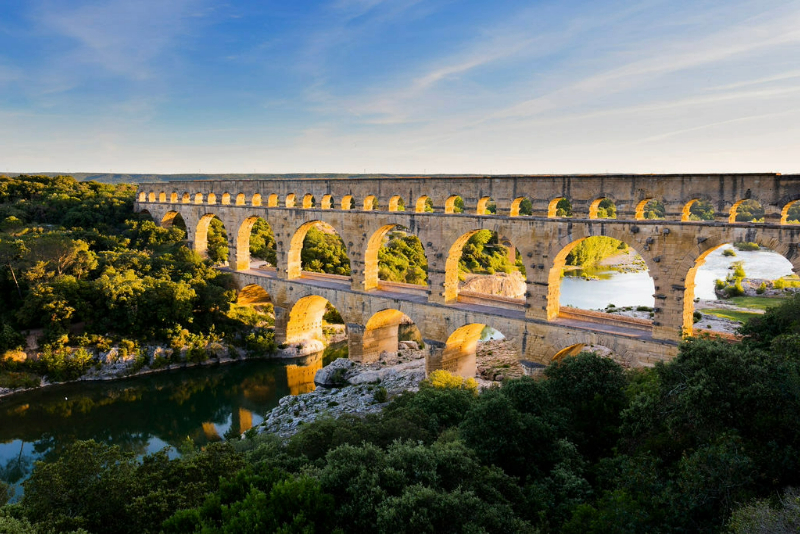
The Pont du Gard, a UNESCO World Heritage Site
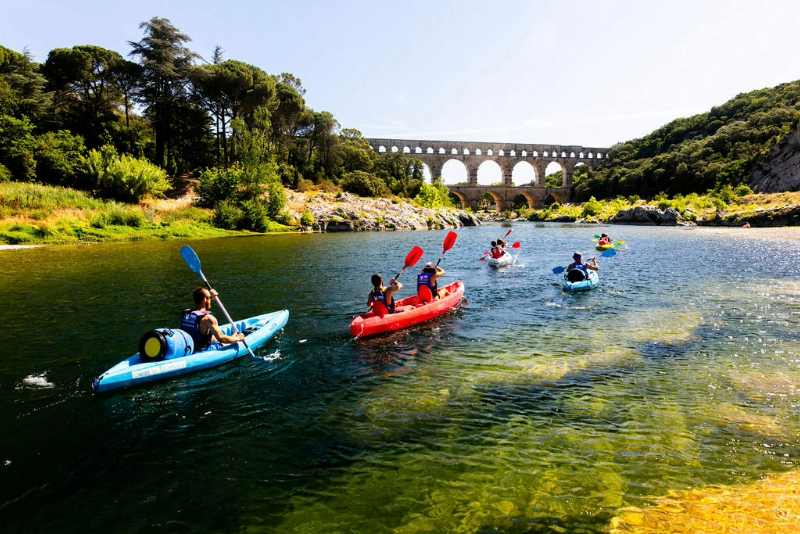
Just 5 minutes from the château, the Pont du Gard is one of the most impressive monuments of Roman engineering and one of the most visited sites in France. This 1st-century aqueduct, a UNESCO World Heritage Site, towers 50 meters above the Gardon River in an unspoiled natural setting—a must-see for all guests at the château, whether French or international.
Uzès, France’s First Duchy
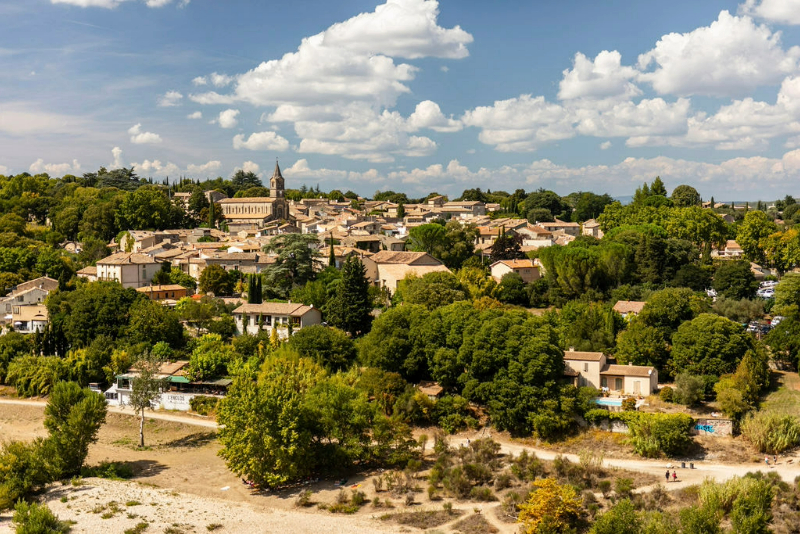
Just a few minutes away, Uzès charms visitors with its medieval streets, Place aux Herbes, its Provençal market on Saturday mornings, and its duchy, which is open to the public. One of the most charming “Cities of Art and History” in Languedoc, it is particularly popular with European and North American visitors.
Nîmes and its Roman Amphitheater
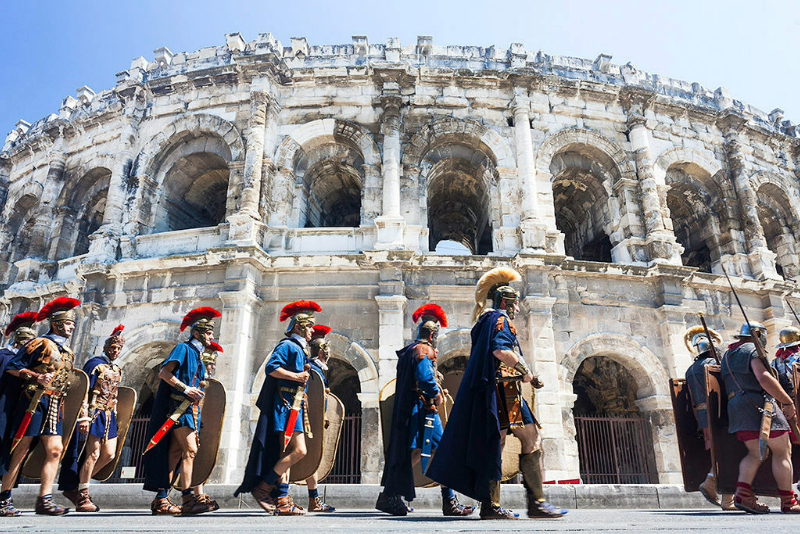
Just 30 minutes away, Nîmes boasts one of Europe’s most beautiful ancient sites: the Amphitheater, the Maison Carrée (listed as a UNESCO World Heritage Site in 2023), and the Jardins de la Fontaine. The city also hosts bullfights, exhibitions, and cultural events throughout the year.
Avignon and the Palais des Papes
Just 45 minutes away, Avignon and its Palais des Papes, a UNESCO World Heritage Site, are a premier cultural destination for international visitors. The city is easily accessible by TGV from Paris in 2 hours and 40 minutes.
The Gardon Gorges and Mediterranean Nature
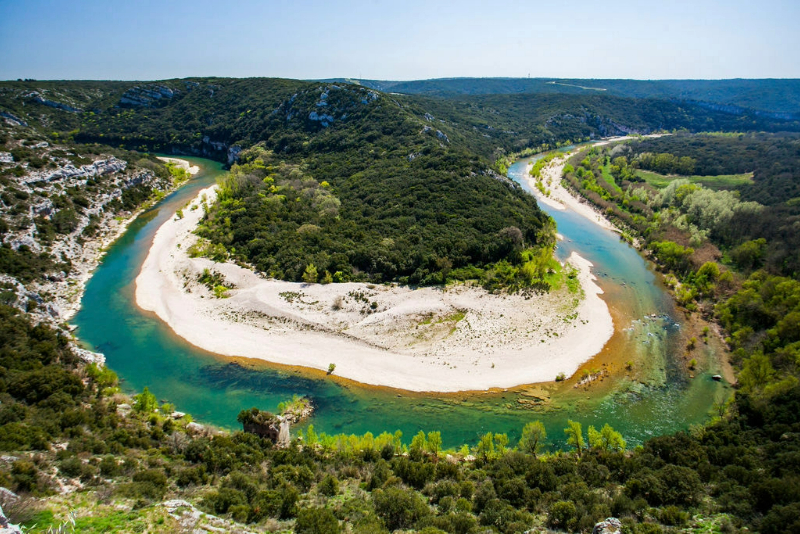
Surrounding the castle, the Gardon Gorges, designated a UNESCO Biosphere Reserve, offer an exceptional natural playground: hiking, swimming in the Gardon River, canoeing, rock climbing, and exploring the garrigue. An ideal setting for active getaways with family or friends.
Location & Practical Information
Address: Château de Collias, Village of Collias, Gard (30)
Directions:
- Pont du Gard: 5 min
- Uzès: a few minutes
- Nîmes: 30 min
- Avignon: 45 min
- TGV stations: Nîmes and Avignon
- Airports: Montpellier and Marseille are less than an hour’s drive away
Accommodation capacity: 28 guests (14 rooms)
Venue capacity: up to 80 people indoors · up to 200 people outdoors
Amenities: 14 rooms with private bathrooms · 180-cm king-size beds · large terrace with a view of the gorge · landscaped grounds · swimming pool · Wi-Fi
Let's talk
Ask us for a quote — our prices come straight from the owners. Our team reviews your project with the owner and replies with care.
Your enquiry
You'll work directly with our team to discuss the occasion, the number of guests, your budget, and your preferences.
Our Selection
We offer castles that are truly right for you—for every budget.
Your Reservation
Property tour, contract, secure payment: we guide you through every step of the process.
Our Support
A single point of contact from start to finish, including your service providers (caterer, transportation, etc.).